




Oriental Poppy Collection
Original price was: £14.99.£10.49Current price is: £10.49.
- Quality that lasts, prices that don't.
- Free 1 year warranty period
- 100% Quality Promise
- Excellent customer service online in a timely manner

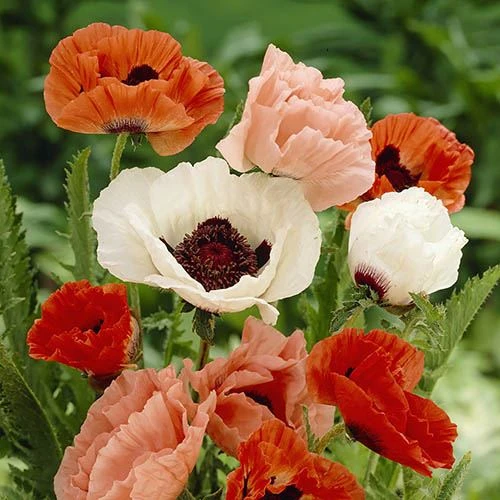
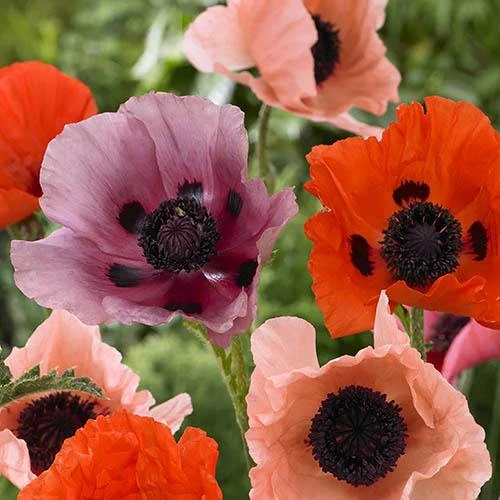
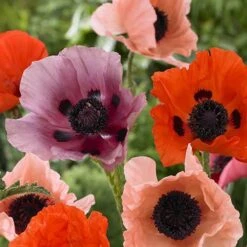
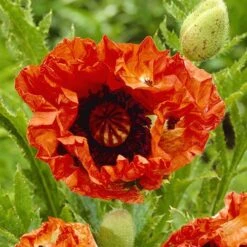
One of the iconic cottage garden perennials, yet with origins far away. The classic large, flowered Poppy with its characteristic black blotch in the centre, followed by statuesque seed heads that add longer season interest, are a real low maintenance, easy plant.
Best started from bare roots in autumn and early spring, this mix of shades will include reds, oranges, pink and whites, and more. Be bold and plant them randomly, or if you prefer to see what colour they flower, grow in a 15cm (6′) pot for the first few months, and see what shades you get.
A very tough, hardy, and robust perennial dies back underground each winter, and emerges bigger and better for years to come.
Supplied as a mix of 5 mixed colour bare root plants, to plant in Autumn and early Spring, as this gets best establishment, and earliest flowers in first year.
Care Information
Planting Advice:
- Best planted in a well-drained soil in full sun, Oriental Poppies can sprawl, so do appreciate a little support from other plants or stakes.
- Well-drained soil is essential and add plenty of humus to poor soils to retain moisture. Remember to allow plenty of room for growth as these poppies may reach a metre or so in height.
- Plant in a sheltered site to prevent wind damage to the blooms.
- Water your potted plant well.
- Dig a hole a little deeper and 3 x wider than the nursery pot.
- Add a soil conditioner such as well-rotted manure to the earth removed from the hole if necessary.
- Remove the plant from its pot and tease out a few of the roots.
- Dig a planting hole and sprinkle mycorrhizal fungi (Rootgrow) into the base.
- Place your plant in the hole at the same level at the pot.
- Refill the hole with the earth removed (backfilling).
- Firm in the soil with your heel, avoiding the root ball.
- Water well and mulch around the base of the plant with a collar, compost, gravel, bark etc.
Aftercare Advice:
- Keep newly planted poppies well-watered until established.
- Give plants a dressing of fish blood and bone in the autumn.
- Provide support before the flowers appear.
- Mulch with well-rotted manure or compost in autumn and keep well-watered.
Pruning Advice:
- Cut back to ground level after flowering.
- Lift and divide large clumps in autumn.
- If cut back after flowering, they may even produce a second flush.
Be the first to review “Oriental Poppy Collection”
Related products





Reviews
There are no reviews yet.