

Honeyberry ‘Altaj’
Original price was: £14.99.£10.49Current price is: £10.49.
- Quality that lasts, prices that don't.
- Free 1 year warranty period
- 100% Quality Promise
- Excellent customer service online in a timely manner

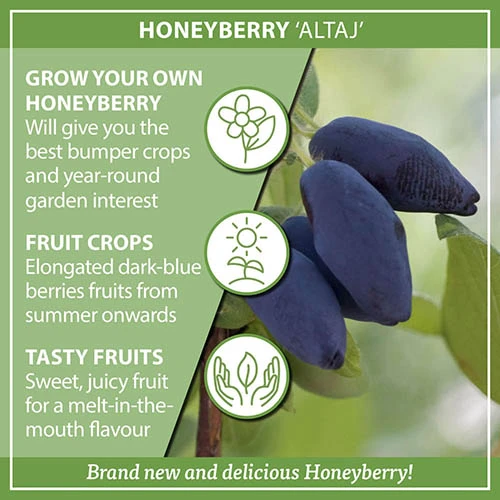
Now you can pick this brand new and delicious summer superfruit from your own garden!
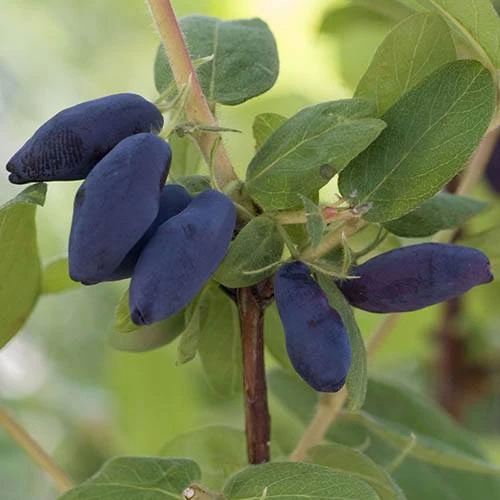
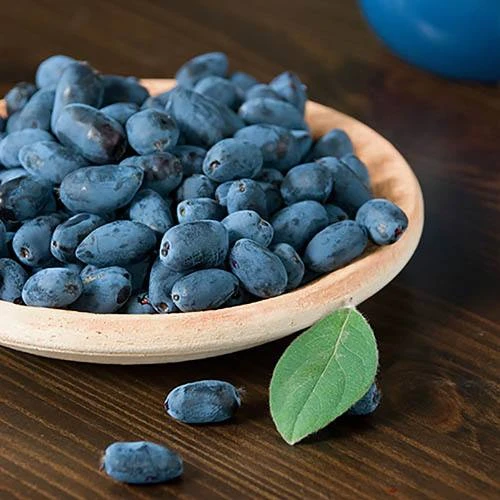
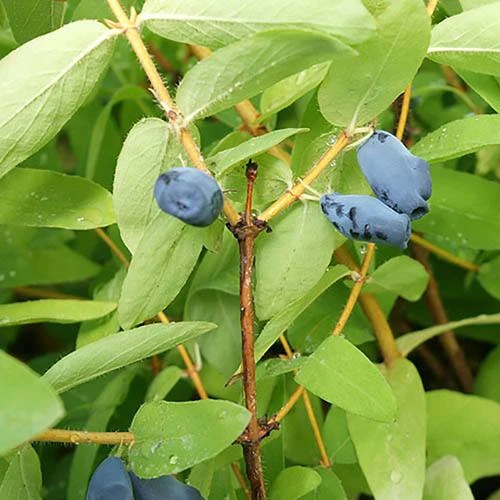
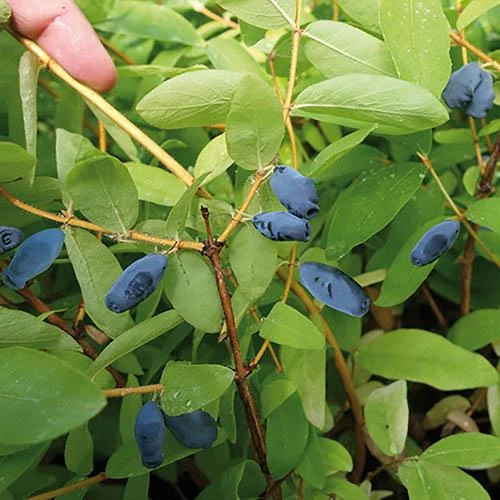
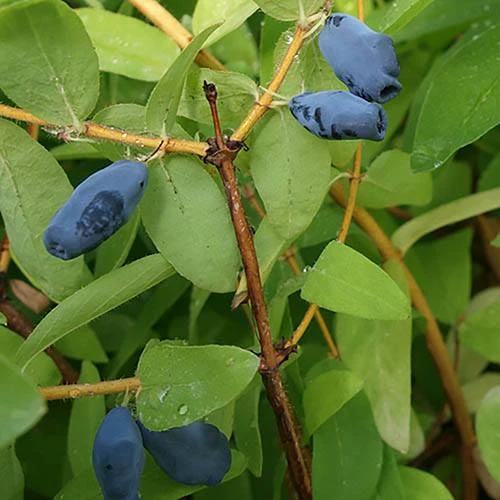
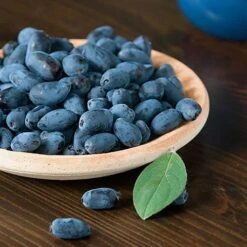
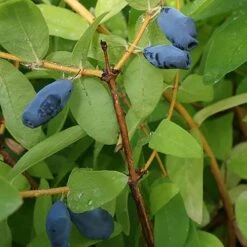
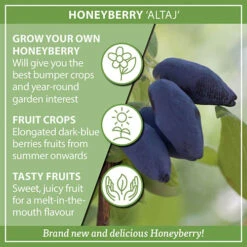
This amazing Honeyberry Altaj is a type of sweet honeysuckle produces some of the healthiest fruits around, and best of all they taste great! The sweet, juicy fruits have a melt-in-the-mouth flavour that is similar to blackberries, with a hint of kiwi! They are rich in super-healthy vitamins and minerals, and contain even more antioxidants than blueberries!
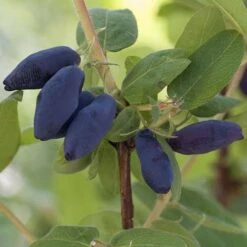
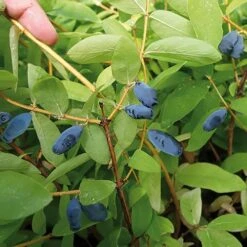
Simply wonderful in sauces, puddings, jams, jellies and desserts, you can even pick them straight from the bush for a yummy, healthy snack. These unusual and interesting additions to your fruit garden are self-fertile, and will produce their dark-blue, strange-looking, elongated fruits in abundance from this summer onwards, giving you bigger crops each year! Whats more, they have gorgeous berries and elegant, mid-green foliage, and they will look great in patio pots!
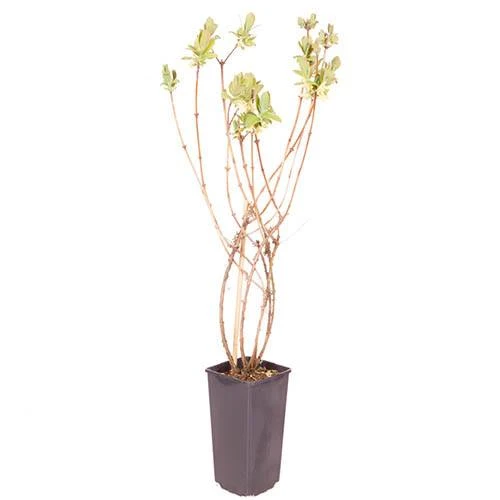
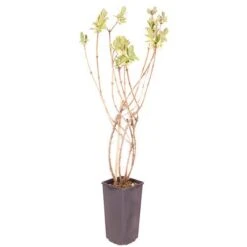
Supplied as an established plant in a 2L pot, ready to plant out.
Care Information
Planting Advice:
- Plant in any soil type that is rich in organic matter, in full sun.
- Dig a planting hole 3 x wider than the roots of the shrub you’re planting and mix some well-rotted compost or manure with the soil from the hole and use this to re-fill one the shrub is in place.
- Before planting soak container-grown shrubs thoroughly and allow to drain.
- Remove the plant from its pot and tease out a few of the roots.
- Add Mycorrhizal fungi to the roots when planting to help plants establish quicker.
- Place your shrub in the hole at the same level at the pot.
- Refill the hole with the earth removed (backfilling) and firm in the soil with your heel, avoiding the root ball.
- Water well and mulch around the base of the plant with a collar, compost, gravel, bark etc.
- If you?re planting into pots, place some old rocks, stones or gravel in the bottom of the pot for drainage and ballast.
- Use the best compost you can buy and some sand or grit for drainage.
Aftercare Advice:
- Keep plants well-watered.
- Feed just once a year in spring with a balanced fertiliser such as fish blood and bone.
- Young plants only need dead growth removed for the first three years while they get established. After that, prune annually in early to mid-summer after harvesting removing any overcrowded and damaged branches along with the tips of new growth to encourage flowering stems.
Be the first to review “Honeyberry ‘Altaj’”
Related products
Reviews
There are no reviews yet.